Advertising Disclosure: We may earn commissions from purchases made through links in this article. Rankings are based on research, features, and value. This helps support our site at no extra cost to you.
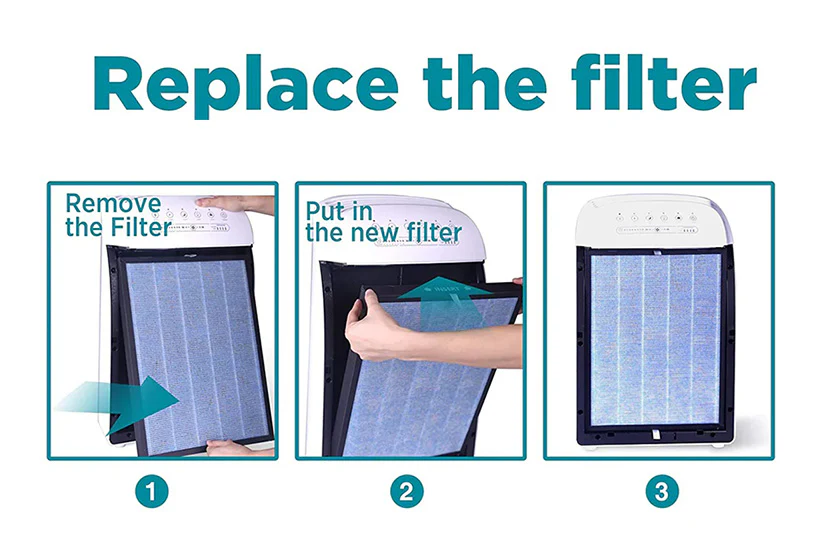
If you’re using an air purifier daily, filter replacement isn’t optional — it’s essential. A clogged filter doesn’t just reduce performance. It can strain the motor and push polluted air back into the room.
Here’s what actually matters.
Quick Answer
Most air purifier filters need replacement every:
- HEPA filters: 6–12 months
- Activated carbon filters: 3–6 months
- Pre-filters: Clean monthly, replace every 6–12 months
But the real timeline depends on usage, room conditions, pets, smoke exposure, and local air quality.
Let’s break it down properly.
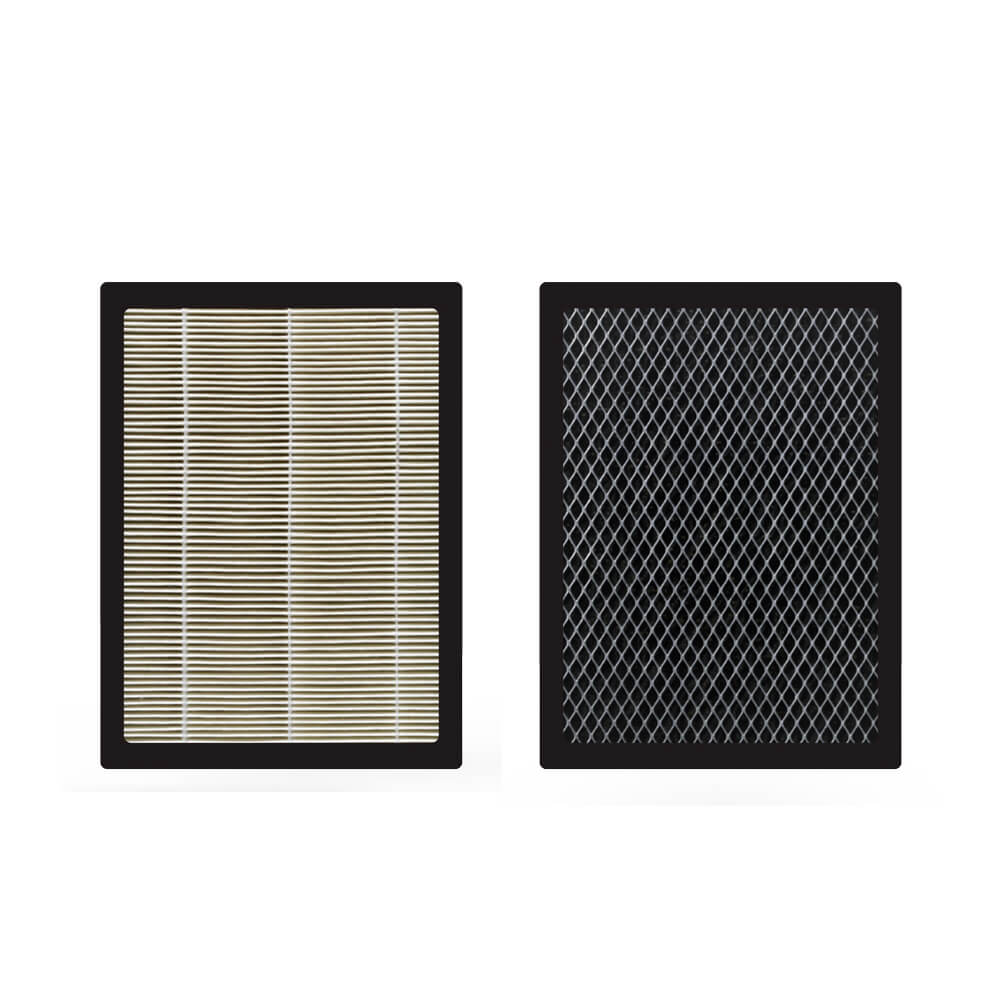
1. HEPA Filter Replacement (6–12 Months)
True HEPA filters capture 99.97% of particles as small as 0.3 microns — including pollen, dust, mold spores, and smoke particles.
Over time, those particles clog the filter’s surface. When that happens:
- Airflow drops
- Cleaning efficiency decreases
- The motor works harder
Replace sooner if:
- You have pets
- Someone has allergies or asthma
- You run the purifier 24/7
- You live in a high-pollution area
If your home has light dust and moderate use, 12 months may be fine. In heavy-use homes, 6–8 months is more realistic.
Read Also: Best HEPA Air Purifier in 2026
2. Activated Carbon Filter (3–6 Months)
Carbon filters absorb odors and gases like:
- Cooking smells
- Smoke
- VOCs
- Pet odors
Unlike HEPA filters, carbon becomes saturated. Once it’s full, it simply stops absorbing smells.
If odors start lingering again even though the unit is running, your carbon filter is likely exhausted.
3. Pre-Filter (Monthly Maintenance)
Pre-filters capture large particles like hair and dust before they reach the HEPA filter.
These should be:
- Vacuumed or washed every 2–4 weeks
- Replaced every 6–12 months if not washable
Keeping the pre-filter clean extends the life of your HEPA filter significantly.
Read Also: Best Air Purifiers for Pets in 2026
Signs It’s Time to Replace Your Filter
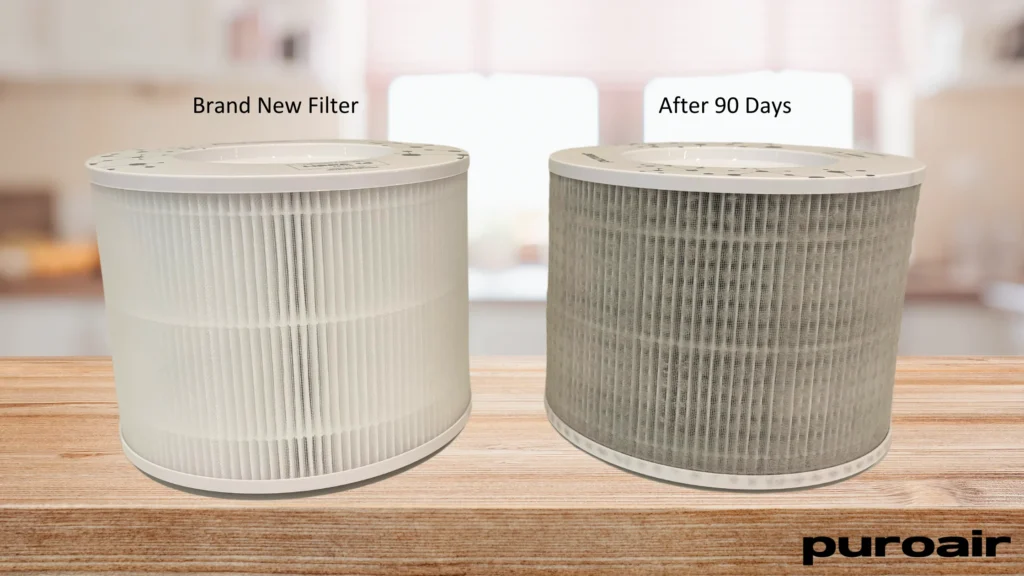
Don’t rely on time alone. Watch for:
- Reduced airflow
- Increased dust buildup
- Persistent odors
- Allergy symptoms returning
- Filter replacement indicator light
Many modern purifiers include a filter change alert, but manual inspection is still smart.
What Happens If You Don’t Replace It?
Here’s the part most people ignore:
- Filtration efficiency drops
- Energy consumption increases
- Motor lifespan decreases
- Air quality worsens
In extreme cases, a saturated filter can become a breeding ground for trapped pollutants.
Replacing filters on time keeps your purifier doing what you bought it for.
Read Also: Best Air Purifier for Asthma
How to Extend Filter Life
You can stretch performance with a few simple habits:
- Clean the pre-filter monthly
- Keep windows closed during heavy pollution
- Vacuum your home regularly
- Avoid placing the purifier near walls or obstructions
Better airflow = longer filter life.
Replacement Cost Consideration
Before buying any air purifier, check:
- Annual filter cost
- Availability of replacement filters
- Ease of installation
A cheap purifier with expensive filters may cost more long term.
Bottom Line
For most homes:
- Replace HEPA filters every 6–12 months
- Replace carbon filters every 3–6 months
- Clean pre-filters monthly
Top 10 Best Air Purifier 2026 Updated List
Stay consistent, and your air purifier will keep delivering clean, breathable air year-round.
“Your experience matters! Share your honest feedback about the air purifier you currently use — including what you like, what could be better, and how it has improved your indoor air quality. Your insights can help other readers make smarter, more confident decisions when choosing the right air purifier for their home.”