Advertising Disclosure: We may earn commissions from purchases made through links in this article. Rankings are based on research, features, and value. This helps support our site at no extra cost to you.
Short answer: Yes — but with conditions.
Air purifiers can reduce airborne viruses and bacteria, but performance depends on the type of filtration, room size, and air circulation.
Here’s what actually happens.
How Viruses and Bacteria Travel Indoors
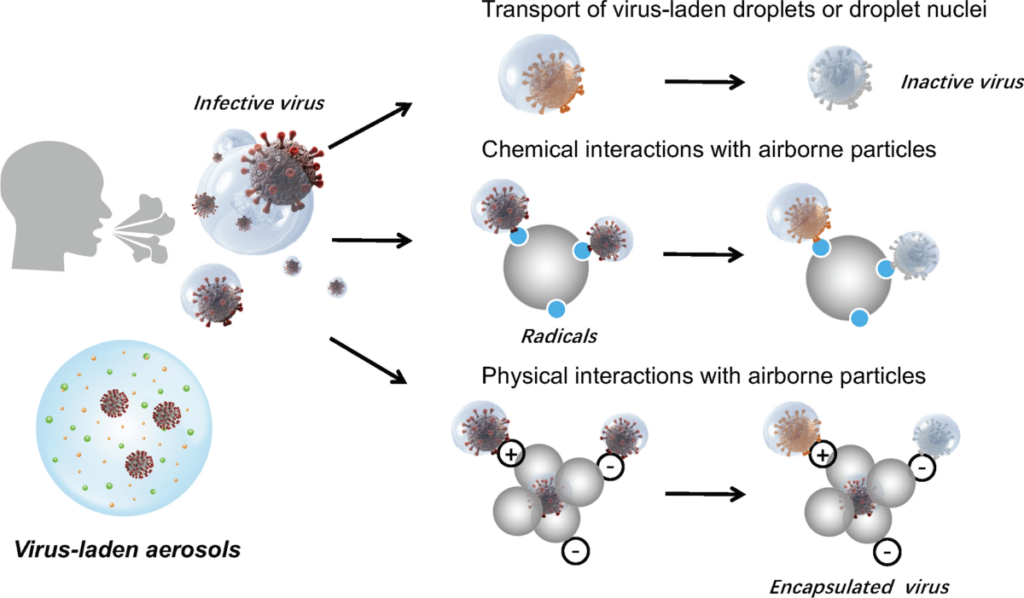
Viruses and bacteria don’t float around naked in the air most of the time. They attach to:
- Respiratory droplets
- Aerosol particles
- Dust particles
Many of these particles fall within the size range that high-efficiency filters can capture.
For example:
- Aerosol particles: often 0.1–5 microns
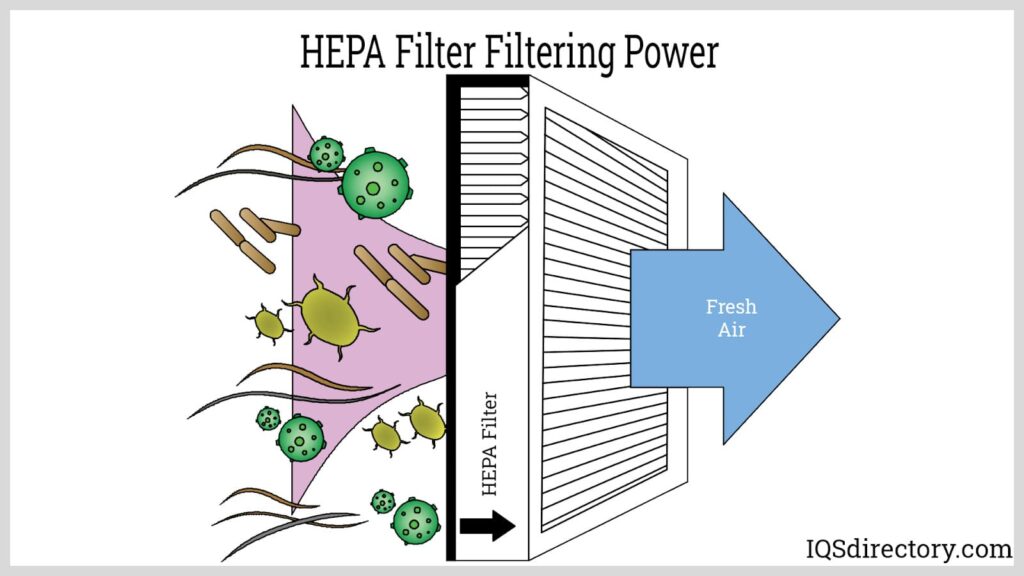
- HEPA filtration standard: captures 99.97% of particles at 0.3 microns
That overlap is important.
Read Also: Best Air Purifier for Apartments (Top Picks 2026)
Can HEPA Filters Capture Viruses?
Yes — True HEPA filters can trap virus-containing particles.
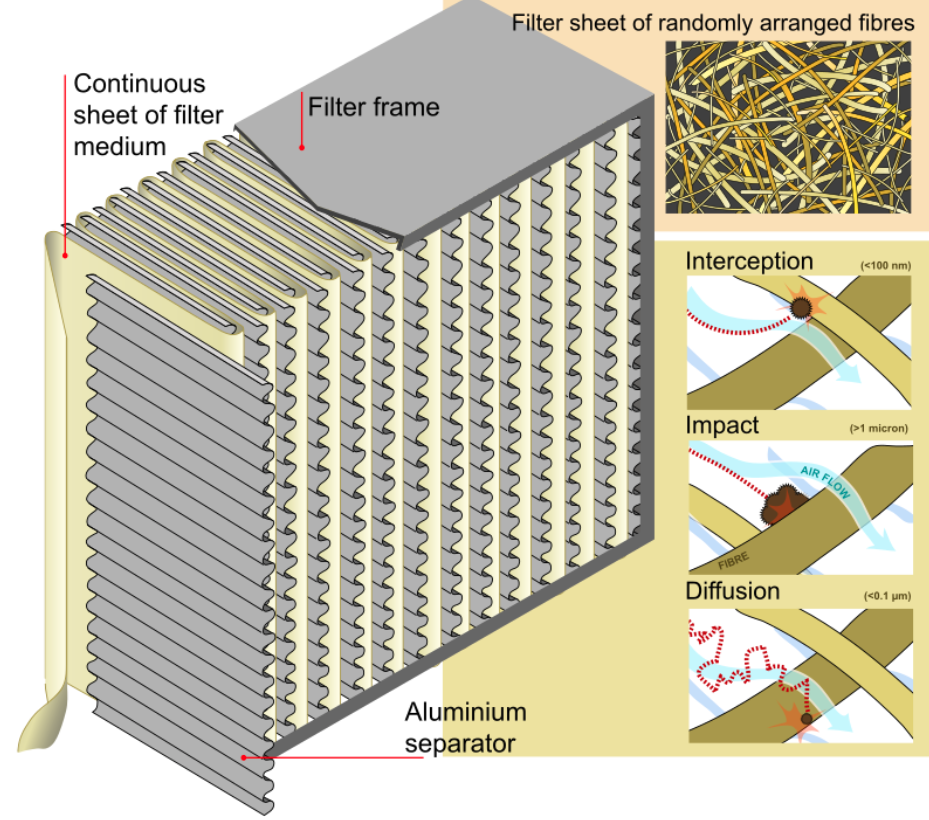
Even though some viruses are smaller than 0.3 microns, HEPA filters don’t work like simple sieves. They capture particles using:
- Interception
- Impaction
- Diffusion
In fact, particles smaller than 0.3 microns can be trapped efficiently due to diffusion behavior.
Read Also: Best HEPA Air Purifier in 2026 – Top Rated Picks Reviewed
What this means:
If a virus is carried in airborne droplets or aerosols (which is common), a True HEPA purifier can reduce its concentration in the air.
What About Bacteria?
Most bacteria are larger than viruses, typically 0.5–5 microns. That makes them easier for HEPA filters to capture.
So yes — high-quality HEPA air purifiers can reduce airborne bacteria levels.
Important Limitation: They Don’t Kill Germs (Unless UV Is Included)
Standard HEPA purifiers trap microorganisms. They don’t destroy them.
Some models include:
UV-C Light
UV-C systems can damage the DNA or RNA of microorganisms, reducing their ability to reproduce.
But here’s the key:
- UV must have sufficient exposure time and intensity.
- Not all UV-equipped purifiers are equally effective.
Do Air Purifiers Prevent Illness?
This is where expectations matter.
Air purifiers:
- Reduce airborne particle concentration
- Improve indoor air quality
- Lower exposure risk
But they do not guarantee prevention of infection.
Transmission can also occur through:
- Direct contact
- Surfaces
- Close-range droplets
An air purifier is one layer of protection — not a replacement for ventilation or hygiene.
When Air Purifiers Are Most Helpful
They’re especially useful in:
- Bedrooms
- Offices
- Classrooms
- Medical waiting areas
- Homes during flu season
They are also beneficial when ventilation is limited.
Higher CADR (Clean Air Delivery Rate) and higher Air Changes Per Hour (ACH) improve effectiveness in reducing airborne contaminants.
What to Look For If Germ Reduction Is Your Goal
If you’re buying specifically for viruses and bacteria, prioritize:
- True HEPA (H13 or higher)
- Proper room size coverage
- High ACH rating
- Optional UV-C (if verified effective)
- Continuous operation
Running the unit consistently matters more than occasional use.
Bottom Line
Yes, air purifiers with True HEPA filters can reduce airborne viruses and bacteria by trapping contaminated particles.
They don’t eliminate all infection risk, but they significantly lower airborne concentration — especially in enclosed spaces.
Think of an air purifier as a risk-reduction tool, not a complete shield.
Top 10 Best Air Purifier 2026 Updated List
Stay consistent, and your air purifier will keep delivering clean, breathable air year-round.
“Your experience matters! Share your honest feedback about the air purifier you currently use — including what you like, what could be better, and how it has improved your indoor air quality. Your insights can help other readers make smarter, more confident decisions when choosing the right air purifier for their home.”