Advertising Disclosure: We may earn commissions from purchases made through links in this article. Rankings are based on research, features, and value. This helps support our site at no extra cost to you.
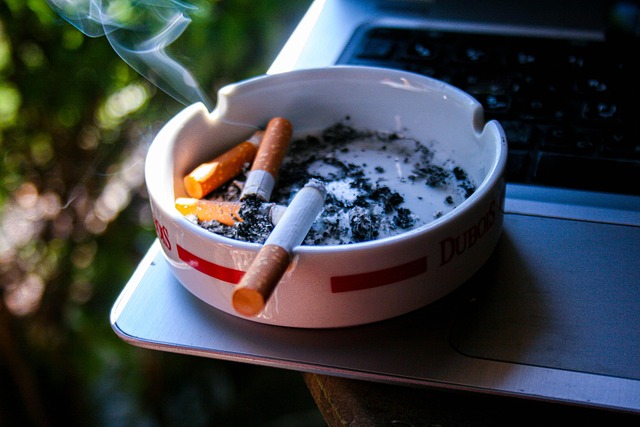
Smoke — whether from wildfires, cigarettes, cooking, or pollution — can severely impact indoor air quality and harm your respiratory system. If you’re dealing with lingering smoke particles or odors in your home, an effective air purifier is one of the best investments you can make for healthier air.
In this guide, we’ve reviewed the top air purifiers for smoke removal in 2026 and included a detailed Buyers Guide to help you choose the right one for your space and needs.
Why You Need a Good Air Purifier for Smoke
Smoke isn’t just visible haze — it contains microscopic particulate matter (PM2.5) and harmful gases that can trigger asthma, allergies, and other health issues. Standard air cleaners aren’t enough — you need a unit equipped with both particle filtration and odor/gas control.
Top Air Purifiers for Smoke (2026 Picks)
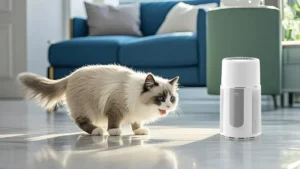
1. Klarta Forste – Best Quiet Bedroom Air Purifier
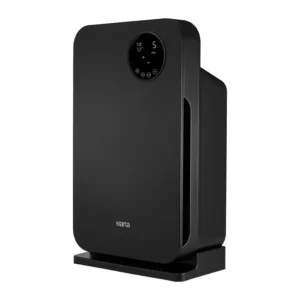
Best for: Bedrooms & medium rooms (up to 1,237 ft²)
Filter: True H13 HEPA + Activated Carbon
Noise Level: Whisper‑quiet at <30 dB on low mode
Price:
If your priority is quiet performance without compromising filtration, Klarta Forste leads the pack.
Its medical‑grade H13 HEPA filter captures 99.97% of airborne particles — including dust, pollen, pet dander, and allergens — while the carbon layer tackles odors. Its low‑noise fan makes it ideal for bedrooms, nurseries, or home offices where silence matters most.
- Why we love it for bedrooms
- Ultra‑quiet on low/sleep modes
- True HEPA filtration for allergy relief
- Strong coverage for most bedrooms
- Sleek design with multiple finishes
2. Levoit Core 300 – Best Compact Quiet Bedroom Pick
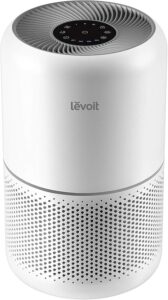
Best for: Small bedrooms, offices, studios
Filter: True HEPA + Activated Carbon
Noise Level: ~24–50 dB depending on fan speed
Price:
The Levoit Core 300 is a standout budget‑friendly option. It runs quietly, especially on low or sleep modes, and fits easily on a nightstand or desk.
Pros:
- Quiet operation ideal for sleep
- Compact and lightweight
- Affordable replacement filters
Cons:
- Limited room coverage (up to ~219 ft²)
Ideal for: Small bedrooms or secondary rooms.
3. Honeywell HPA060 – Quiet and Reliable
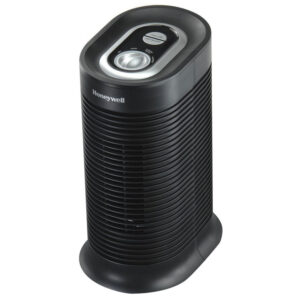
Best for: Small to medium bedrooms
Filter: True HEPA + Carbon
Noise Level: Quiet on low speed
Price:
Honeywell’s reputation for air quality continues with this model. It’s a reliable pick with simple controls and a quiet operation that works well in bedrooms.
Pros:
- Trusted brand
- Easy to use
- Effective particle removal
Cons:
- Basic features (no smart app)
Perfect for: Users who want straightforward filtration with low noise.
4. Blueair Blue Pure 211+ – Quiet Mid‑Size Bedroom Choice
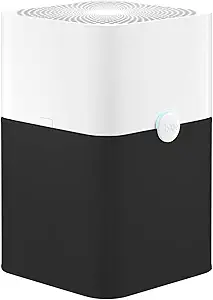
Best for: Bedrooms up to ~540 ft²
Filter: HEPA Silent + Carbon
Noise Level: Moderate to quiet depending on speed
Price:
Blue Pure 211+ uses proprietary HEPA Silent tech that balances powerful performance with relatively low sound output.
Pros:
- Quiet at lower fan levels
- Strong particle and odor removal
- Easy maintenance
Cons:
- Higher filter replacement cost
Great option for: Larger bedrooms or open layouts.
5. Winix 5500‑2 – Quiet Operation with Extra Features
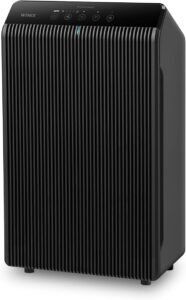
Best for: Mid‑size bedrooms (~360 ft²)
Filter: True HEPA + Carbon + PlasmaWave
Noise Level: Quiet on auto / low mode
This model includes automatic air quality sensing and plasma technology that helps reduce airborne particles quietly and effectively.
Pros:
- Auto air quality adjustment
- Effective HEPA filtration
- Quiet performance in sleep mode
Cons:
- Slightly louder at high speeds
Best for: Users who want smart sensing plus quiet sleep mode.
Buyers Guide: How to Choose the Best Air Purifier for Smoke
Choosing the right smoke air purifier can be overwhelming — but this section breaks it down into key factors that matter most.
1. Filtration Type — What Really Removes Smoke
Not all air purifiers are created equal:
True HEPA Filter
- Captures 99.97% of particles down to 0.3 microns
- Critical for removing fine smoke particles
NEVER settle for “HEPA-like” — only True HEPA traps real smoke particulate.
Activated Carbon Filter
- Absorbs smoke odors, VOCs, and gases
- Density matters: thicker carbon = better odor control
💡 A purifier without carbon will capture particles — but smoke smell will linger.
2. Coverage Area & CADR — Size Matters
Two important measurements:
Room Coverage (in sq. ft.)
Make sure the unit’s recommended room size matches the space you intend to use it in:
- Small bedrooms: ~150–300 sq. ft.
- Living rooms / open spaces: 400–1,500+ sq. ft.
CADR (Clean Air Delivery Rate)
Higher CADR means faster and more effective smoke removal. For heavy smoke:
✔️ Choose CADR 200+ (higher is better).
💡 If unsure, go up one size — underestimating room size reduces effectiveness.
3. Air Quality Sensors & Auto Mode
Smart sensors make a big difference:
✔️ Auto mode adjusts fan speed based on detected pollutants
✔️ Real-time displays help you track air quality
✔️ Alerts notify you when filters need replacing
💡 These features are especially useful in wildfire seasons or heavy smoking environments.
4. Noise Level
Some units buzz loudly on high speed — something to consider if you plan to run it:
- While sleeping
- In home offices or living areas
Look for models with quiet/sleep modes, ideally under ~40 dB in low settings.
5. Filter Cost & Replacement Frequency
Best performance comes with maintenance:
✔️ HEPA filters – replace every 6–12 months
✔️ Carbon filters – often need replacement every 6 months with heavy smoke exposure
💡 Always check replacement filter prices before buying — they impact long-term cost.
6. Extra Features to Consider
| Feature | Why It Matters |
|---|---|
| Wi-Fi / App Control | Adjust settings from your phone |
| Voice Assistant Support | For hands-free control |
| Turbo / Boost Mode | Rapid smoke removal |
| Timers / Schedules | Automatic on/off based on your routine |
Smoke Air Purifier FAQ
Do all air purifiers remove smoke?
No — only units with True HEPA and activated carbon filters can effectively handle smoke particles AND odors.
How often should filters be changed?
With regular use for smoke:
✔️ HEPA filters: ~6–12 months
✔️ Carbon filters: ~3–6 months for heavy odor control
Can one purifier handle wildfire smoke?
Yes — but you may need a model with high CADR and large coverage area to maintain clear air during wildfire seasons.
Final Thoughts
Smoke isn’t just an inconvenience — it’s a health risk. Picking the right air purifier can dramatically improve indoor air quality, reduce odors, and protect your lungs.
When choosing a smoke air purifier, focus first on:
- True HEPA filtration
- Thick activated carbon for odor removal
- Match the room size
- Consider sensor features & noise levels
With the right choice, you’ll enjoy fresher air, cleaner surfaces, and better health.
“Your experience matters! Share your honest feedback about the air purifier you currently use — including what you like, what could be better, and how it has improved your indoor air quality. Your insights can help other readers make smarter, more confident decisions when choosing the right air purifier for their home.”