Advertising Disclosure: We may earn commissions from purchases made through links in this article. Rankings are based on research, features, and value. This helps support our site at no extra cost to you.
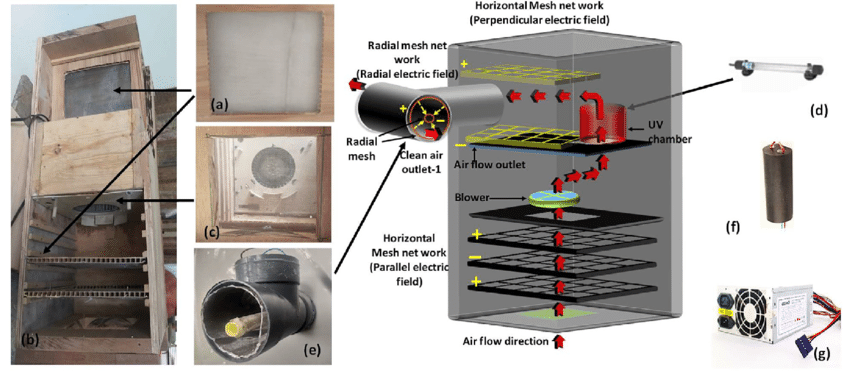
When choosing an air purifier, most people focus on filter type or CADR, but airflow design is just as important. The way air moves through a purifier determines how quickly and efficiently it cleans a room.
1. What Is Airflow in an Air Purifier?
Airflow refers to how air enters, passes through, and exits the purifier. It affects:
- How fast particles are captured
- How evenly air is cleaned in the room
- Noise level and energy efficiency
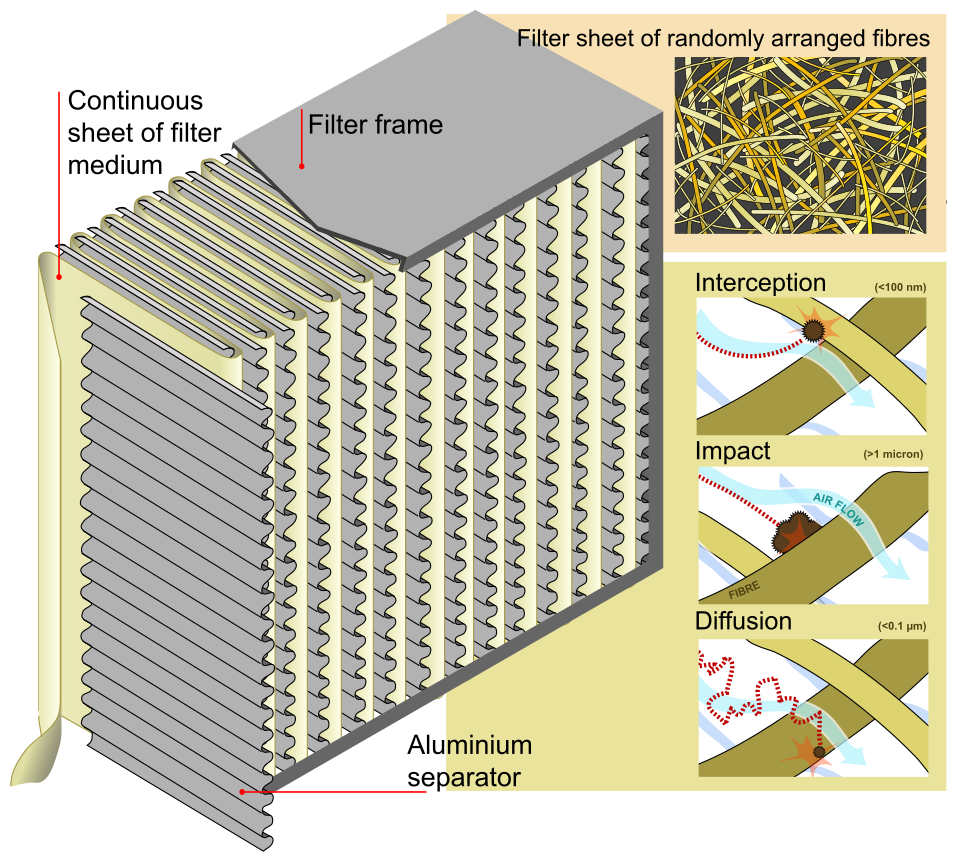
Even the best HEPA filter won’t work effectively if airflow is poor.
2. Types of Airflow Designs
a) Single-Pass Straight Flow
Air enters from one side, passes through the filter, and exits the other.
- Simple and effective for small rooms
- Can create dead zones in larger spaces
b) 360° or Omnidirectional Intake
Air is drawn from all sides and exits from the top or front.
- More even air distribution
- Reduces unfiltered pockets
- Ideal for living rooms and open layouts
c) Tower or Vertical Flow
Air enters from the bottom and exits from the top.
- Promotes natural convection currents
- Helps circulate air throughout the room
- Often quieter due to smoother airflow
3. Why Airflow Design Matters
a) Faster Purification
- A well-designed airflow system ensures the maximum volume of air passes through the filter efficiently
- Units with poor airflow may take twice as long to clean the same space
b) Improved Coverage
- Smart airflow spreads purified air throughout the room, reducing pockets of stale air
- Helps meet the advertised room coverage or CADR
c) Noise and Energy
- Turbulent or restricted airflow increases noise and fan strain
- Smooth, directional airflow maintains quiet operation while maximizing efficiency
4. CADR and Airflow
CADR (Clean Air Delivery Rate) depends on both:
- Filter efficiency (HEPA, activated carbon, etc.)
- Airflow design
Even a high-efficiency HEPA filter won’t deliver fast results if the purifier struggles to move air through it.
5. Placement Tips to Maximize Airflow
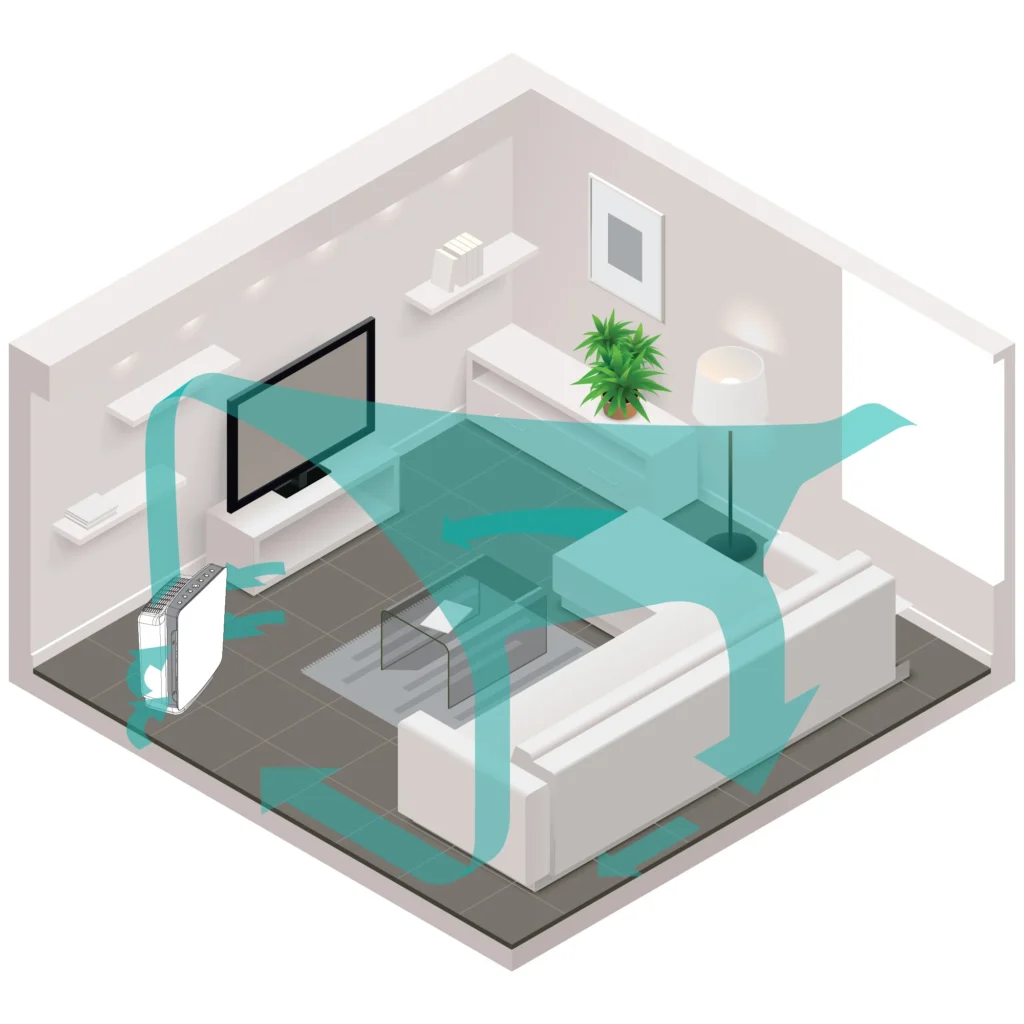
- Keep the purifier away from walls and furniture
- Ensure air intake and outlet are unobstructed
- For rooms with poor circulation, place units near the center or main airflow path
- Avoid corners or behind curtains
Proper placement allows the design to work as intended, improving purification speed.
6. Air Changes Per Hour (ACH)
A good airflow design supports high ACH, meaning the purifier can replace the room’s air multiple times per hour.
- Bedrooms: aim for 4–5 ACH
- Large living areas: 5–6 ACH
- Open-plan spaces may require multiple units or higher CADR
High ACH ensures faster and more uniform purification.
Bottom Line
Airflow design is as critical as filter quality. A purifier with efficient, well-planned airflow:
- Cleans the room faster
- Distributes air evenly
- Reduces noise and energy consumption
- Maximizes CADR performance
When shopping, look beyond the filter type — check how air moves through the unit, CADR numbers, and room coverage for the best results.
Top 10 Best Air Purifier 2026 Updated List
Stay consistent, and your air purifier will keep delivering clean, breathable air year-round.
“Your experience matters! Share your honest feedback about the air purifier you currently use — including what you like, what could be better, and how it has improved your indoor air quality. Your insights can help other readers make smarter, more confident decisions when choosing the right air purifier for their home.”