Advertising Disclosure: We may earn commissions from purchases made through links in this article. Rankings are based on research, features, and value. This helps support our site at no extra cost to you.
Indoor air can contain dust, allergens, smoke particles, pet dander, mold spores, and even harmful gases. Since most people spend nearly 90% of their time indoors, the quality of the air you breathe has a direct impact on your comfort and health.
What Is an Air Purifier?
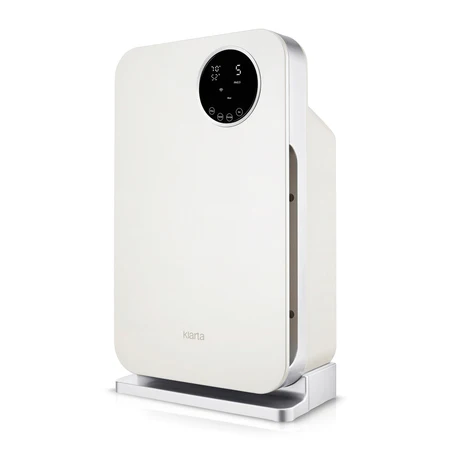
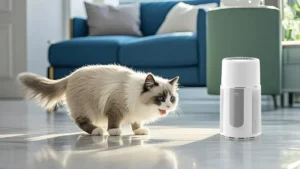
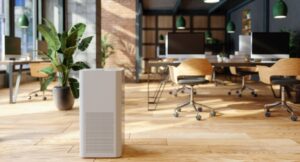
An air purifier is a device that removes airborne pollutants from indoor air using a fan and one or more filters. It pulls contaminated air into the unit, traps particles inside filters, and releases cleaner air back into the room.
Air purifiers are designed to improve indoor air quality by reducing allergens, odors, smoke, and microscopic particles that can affect breathing.
Top 10 Best Air Purifier Find the top 10 list of 2026
How Does an Air Purifier Work?
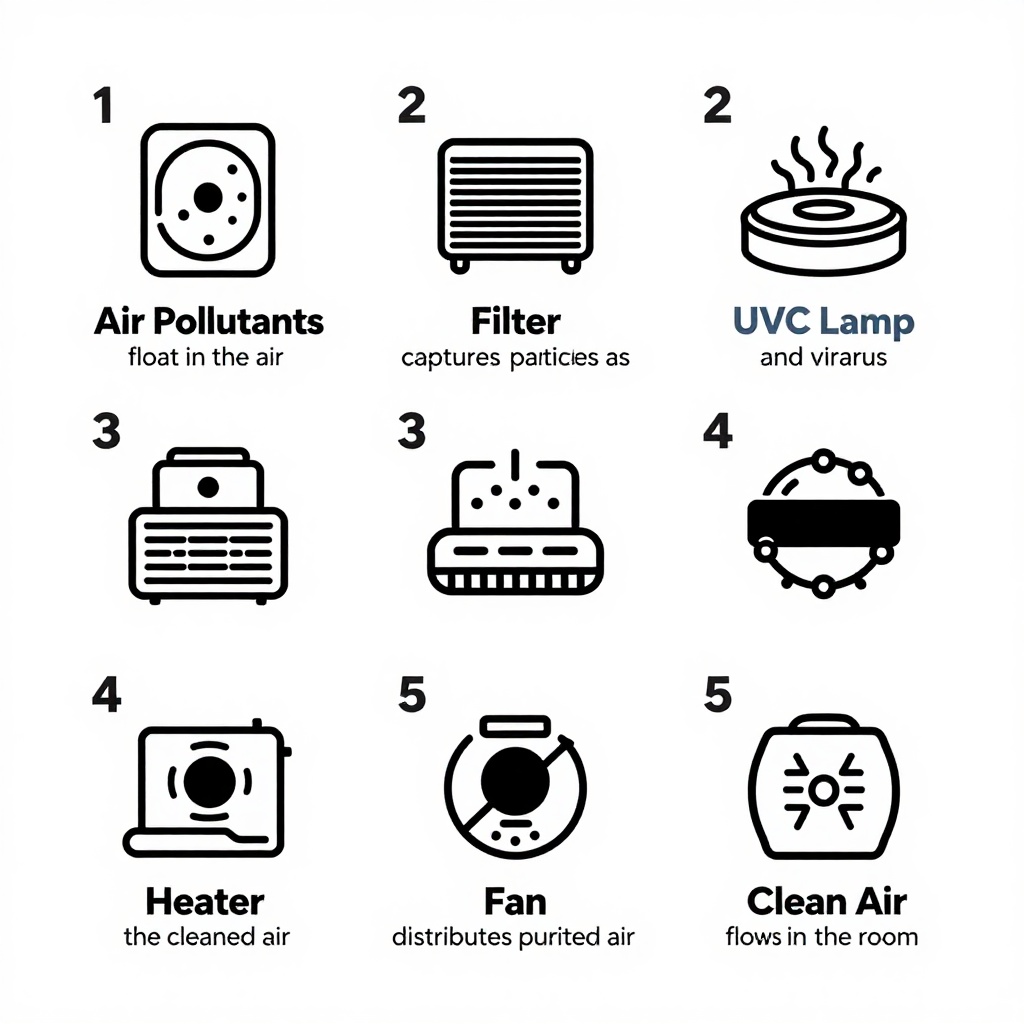
Most air purifiers follow a continuous three-step cycle:
1. Air Intake
A built-in fan draws polluted air into the unit.
2. Filtration
The air passes through multiple filter layers that trap particles of different sizes.
3. Clean Air Output
The purified air is pushed back into the room. This cycle repeats several times per hour.
The more frequently air circulates through the system, the cleaner the room becomes.
What Do Air Purifiers Remove?
A high-quality air purifier can reduce:
- Dust and fine particles
- Pollen
- Pet dander
- Mold spores
- Smoke particles
- Household odors
- Volatile Organic Compounds (VOCs) (with carbon filters)
This makes them especially helpful for:
- People with allergies
- Asthma sufferers
- Pet owners
- Urban residents
- Homes affected by wildfire smoke
Types of Air Purifier Filters (And Why They Matter)
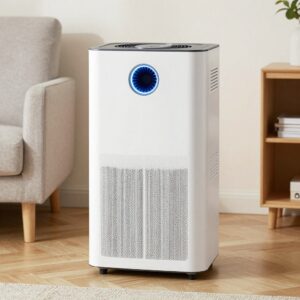
The filtration system is the most important part of any air purifier.
Pre-Filter
Captures large particles like hair and visible dust. It protects the main filter and extends its lifespan.
True HEPA Filter
A True HEPA filter captures 99.97% of particles as small as 0.3 microns. This includes pollen, pet dander, mold spores, and fine dust.
HEPA filtration is considered the gold standard for residential air purification.
Activated Carbon Filter
Carbon filters absorb odors, smoke, and harmful gases. If odor removal is important, this layer is essential.
UV Light or Ionizers (Optional)
Some models include UV light to target bacteria or ionizers to charge particles.
However, for most homes, a combination of HEPA + activated carbon provides the most reliable and safest results.
What Is CADR and Why Is It Important?
CADR stands for Clean Air Delivery Rate.
It measures how quickly an air purifier can remove:
- Smoke
- Dust
- Pollen
Higher CADR = faster air cleaning.
If you want noticeable improvement in medium to large rooms, CADR is one of the most important numbers to check.
Choosing the Right Size Air Purifier
Air purifiers are rated for specific room sizes (square footage).
If the unit is too small for your room:
- It will run constantly
- It will clean air slowly
- Results may be disappointing
For best performance:
Choose a purifier rated for slightly larger than your actual room size.
Air Purifier vs Air Filter: What’s the Difference?
An air purifier is a standalone device that actively circulates and cleans room air.
An air filter usually refers to filters inside HVAC systems that clean air as it passes through heating or cooling systems.
If you want targeted air cleaning in a bedroom or living room, a dedicated air purifier is more effective.
Air Purifier vs Humidifier
These devices serve completely different purposes.
- Air purifier → removes particles from air
- Humidifier → adds moisture to air
If dry air is your problem, you need a humidifier.
If dust, smoke, or allergens are the issue, you need an air purifier.
What an Air Purifier Cannot Do
It’s important to set realistic expectations.
An air purifier:
- Does not remove dust already settled on surfaces
- Does not eliminate pollution sources
- Does not replace proper ventilation
- Does not cure allergies or asthma
It improves indoor air quality — but it works best as part of an overall healthy home strategy.
Do Air Purifiers Help With Allergies?
Yes — especially models with True HEPA filters.
By reducing airborne allergens like pollen, dust mites, and pet dander, air purifiers can lower overall allergen exposure, which may reduce symptoms for some people.
However, they should be used alongside cleaning routines and allergen control measures.
Are Air Purifiers Safe?
Most HEPA-based air purifiers are safe for daily use.
However:
- Avoid ozone-generating models
- Check for certified safety standards
- Replace filters as recommended
HEPA + carbon systems are widely considered the safest and most effective combination.
How Long Should You Run an Air Purifier?
For best results, run your air purifier:
- Continuously
- Or at least 8–12 hours per day
- Especially in bedrooms while sleeping
Air purification works gradually through repeated air circulation.
Maintenance and Filter Replacement
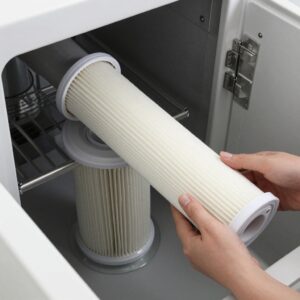
To maintain performance:
- Replace HEPA filters every 6–12 months (depending on use)
- Replace carbon filters as recommended
- Clean pre-filters monthly
- Keep airflow unobstructed
Neglecting filter replacement reduces efficiency significantly.
When Do You Need an Air Purifier?
You may benefit from one if:
- You suffer from seasonal allergies
- You have pets
- You live near traffic-heavy roads
- Wildfire smoke affects your area
- You notice persistent odors
- Your home feels dusty despite cleaning
For many households, especially in urban environments, air purifiers can noticeably improve breathing comfort and sleep quality.
Frequently Asked Questions
They remove airborne dust, but not dust already settled on surfaces.
Yes. Many models are designed for continuous use and include sleep modes for quieter operation.
Most residential units consume about as much power as a light bulb, depending on fan speed.
Higher cost usually means better filtration, higher CADR, quieter operation, and longer filter life — but mid-range models can perform very well if properly sized.
Bottom Line
An air purifier is a filtration device that cleans indoor air by removing airborne particles, allergens, smoke, and odors. When properly sized for your space and maintained with regular filter replacements, it can significantly improve indoor air quality.
Cleaner air isn’t complicated — but choosing the right device, filter type, and room size makes all the difference.
Using an Air Purifier and want to share the Realtime experience With Us ? Here Is is your feedback Link